Khopra Ridge Treks Days

Khopra Ridge Treks

  • Duration
  • Destination Nepal
  • Trip Grade Easy
  • Starts at
  • Ends at
  • Meals Full Board During Trek
  • Accommodation Tea House / Camping
  • Max. Altitude
  • Activity Trekking , Hiking & Exploring
  • Group Type Private
  • Group Size 2+
  • Best Season Spring & Autumn

Khopra Ridge Treks Overview

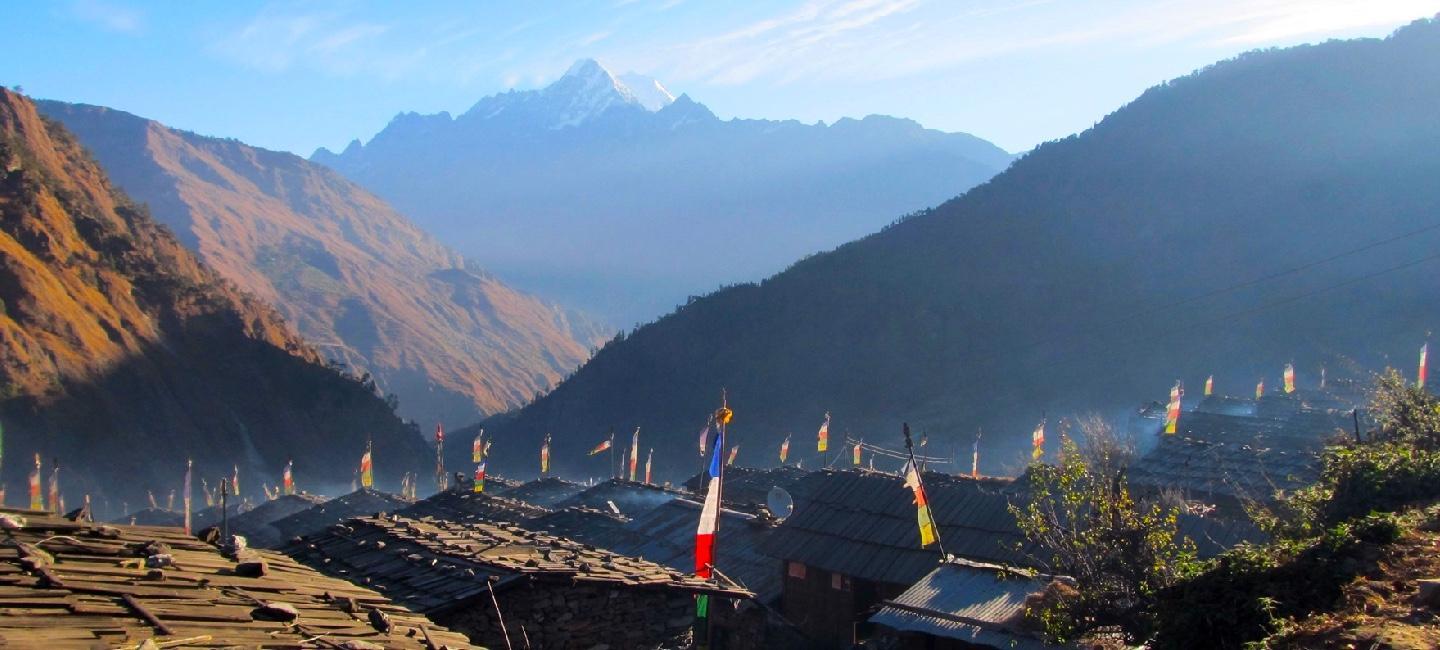
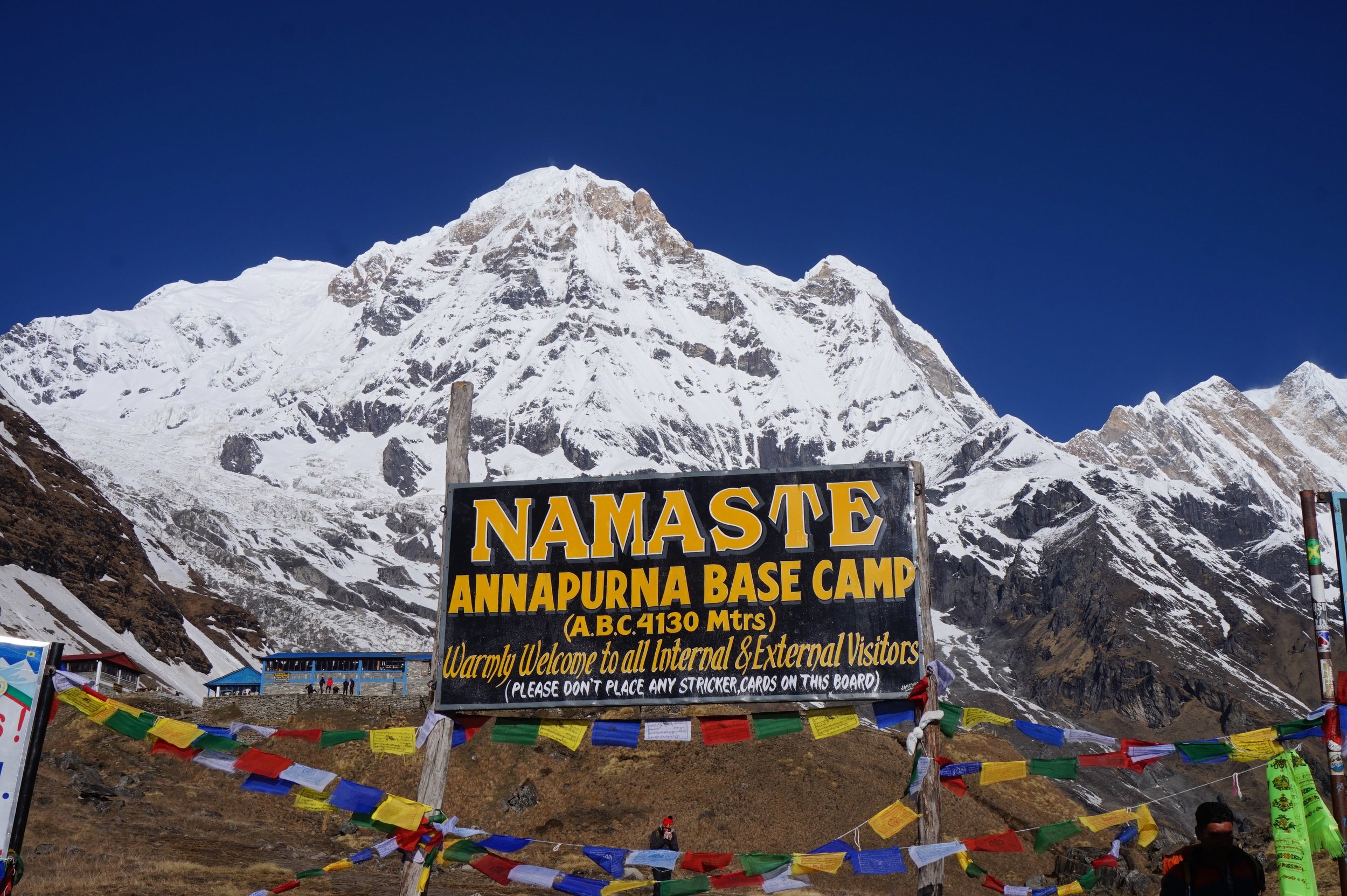
The Khopra Ridge Trek is a hidden gem nestled in the Annapurna region, offering trekkers a serene alternative to the more crowded trails like Annapurna Base Camp or Poon Hill. This trek is celebrated for its peaceful ambiance, sweeping panoramic views, and rich cultural experiences. Unlike the busier routes, Khopra Ridge provides a quiet retreat through lush rhododendron forests, traditional Gurung and Magar villages, and pristine natural landscapes, making it perfect for those seeking solitude and authentic Himalayan beauty.

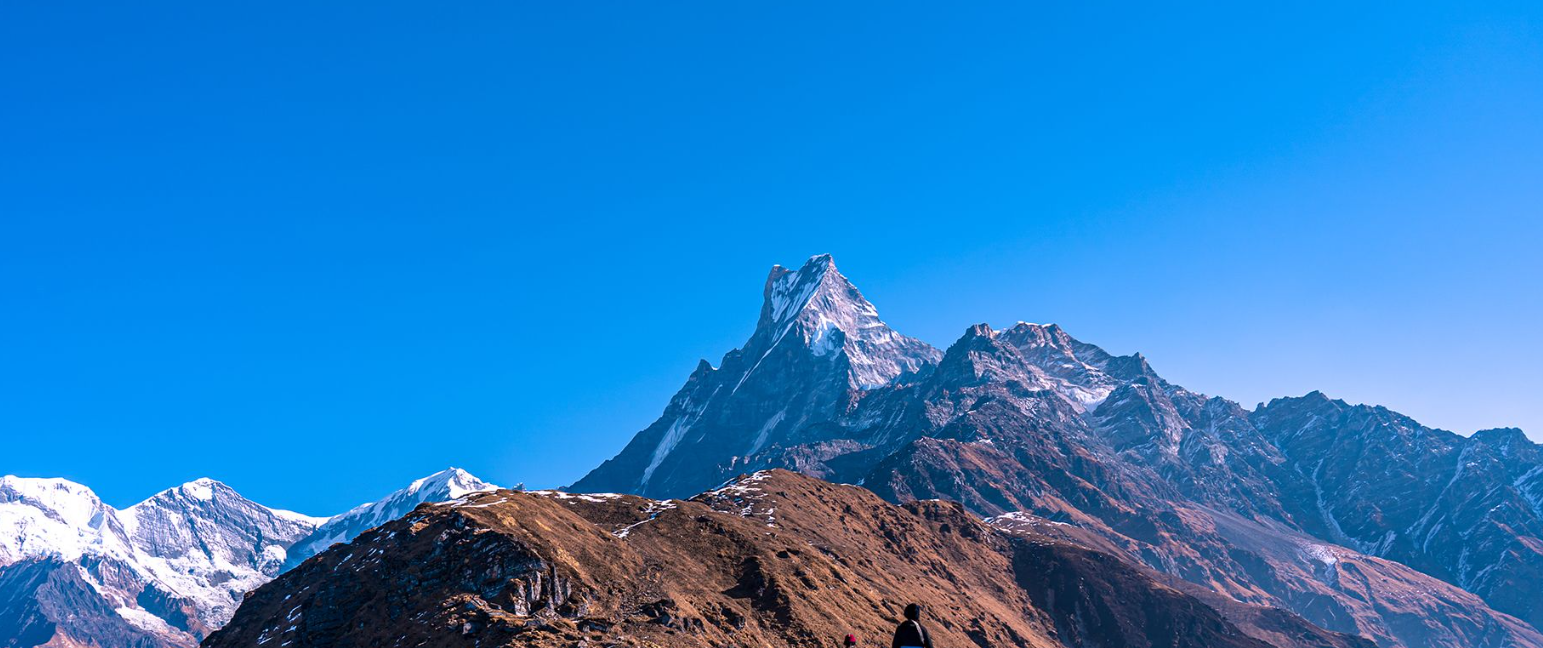
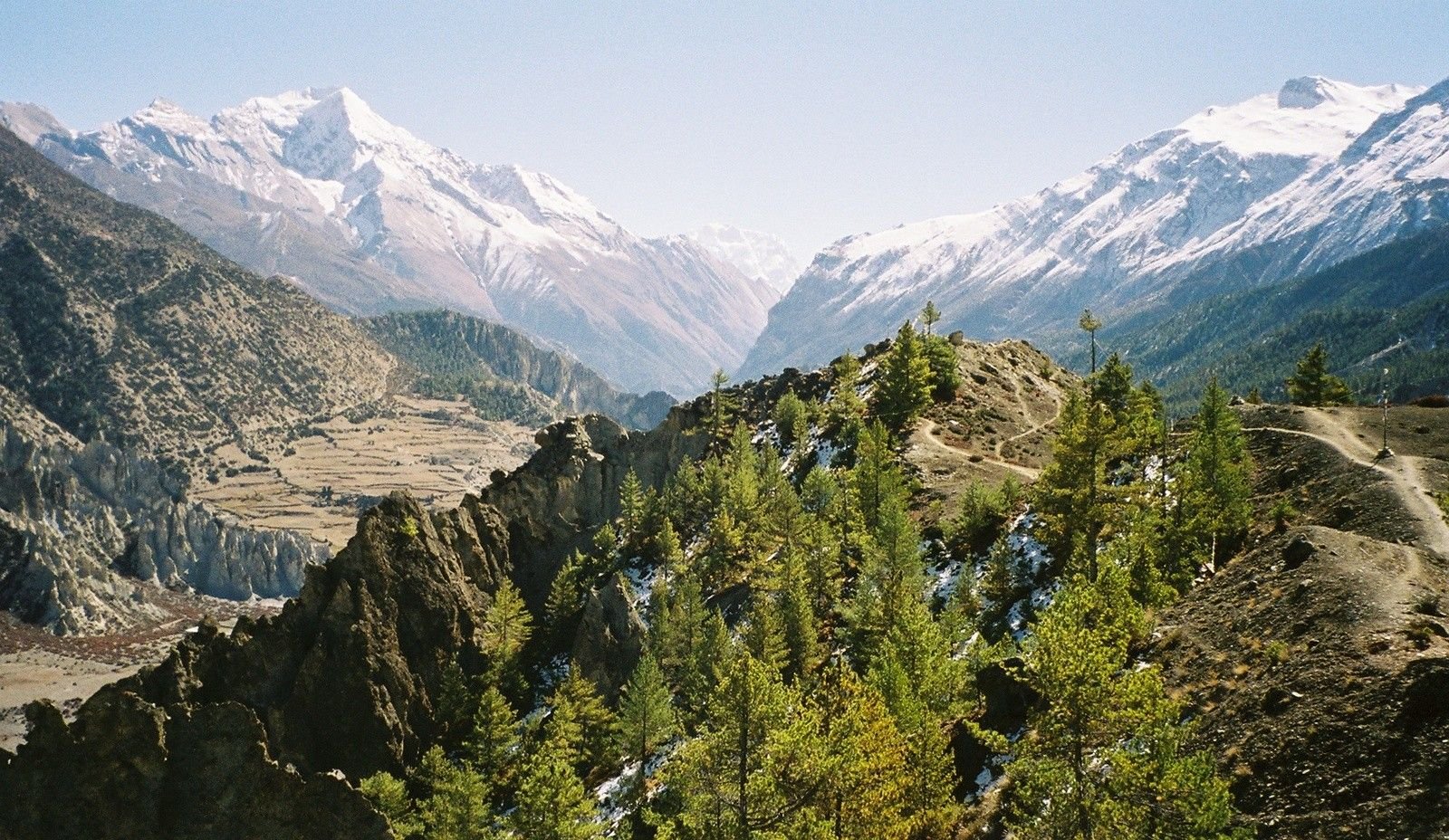
One of the highlights of the trek is reaching Khopra Danda, a stunning ridge situated at around 3,660 meters. From this vantage point, trekkers are treated to spectacular 360-degree views of towering Himalayan giants such as Annapurna I, Dhaulagiri, Machhapuchhre, and Nilgiri. The ridge’s peaceful environment invites trekkers to camp overnight under the stars, immersing themselves in nature away from the bustle of popular trekking routes.

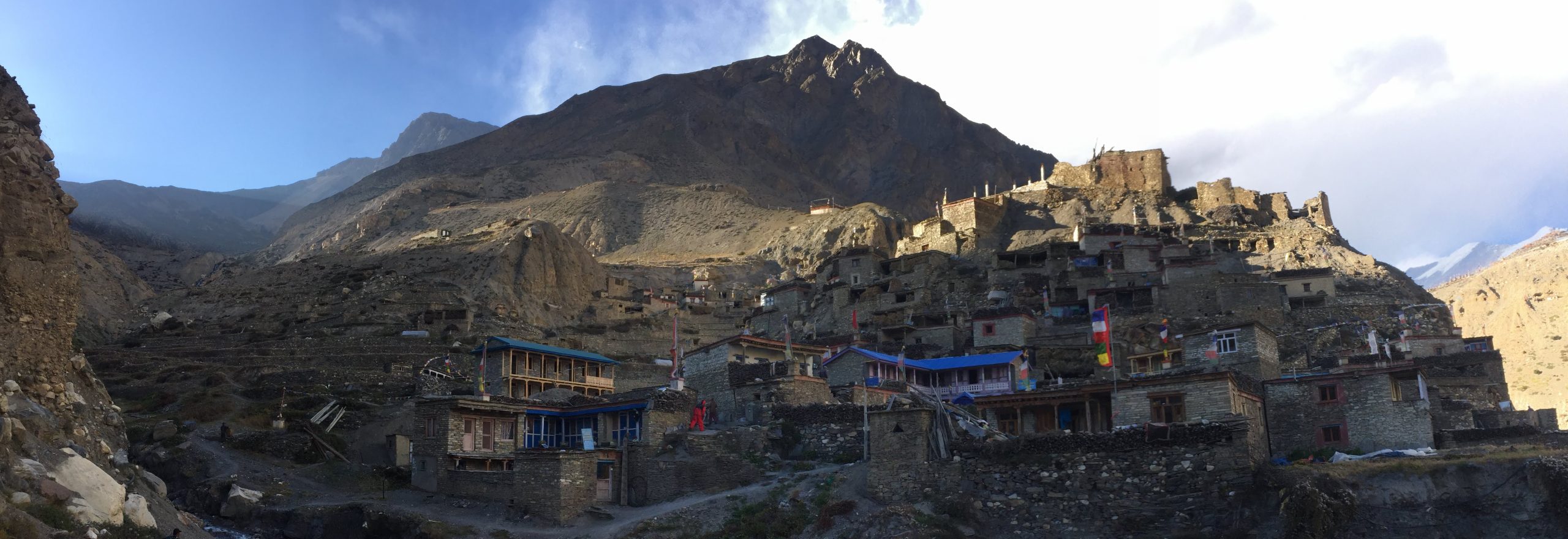
The journey to Khopra Ridge passes through charming villages where traditional Nepali culture thrives. Along the way, trekkers witness terraced fields, rustic farmhouses, and colorful prayer flags fluttering in the mountain breeze. The trail winds through dense rhododendron and oak forests, which burst into vibrant colors in spring, adding to the trek’s scenic charm.

This trek also offers the opportunity to visit natural hot springs at Jhinu Danda, providing a soothing reward for tired muscles. Additionally, many trekkers choose to combine Khopra Ridge with nearby trails such as Mardi Himal or Poon Hill for even more breathtaking views and diverse trekking experiences. The moderate difficulty of the trek makes it accessible to most fit and adventurous travelers.
Day to Day Itinerary
Expand all

Start your journey with either a scenic tourist bus ride (~7-8 hrs) or a quick domestic flight (~25 mins) from Kathmandu to Pokhara. Upon arrival, transfer to your hotel in Pokhara. Rest and prepare for the trek ahead.

Drive about 1.5 hours from Pokhara to Nayapul, the trek’s starting point. Begin trekking uphill through terraced fields and forests to Ulleri village. Overnight at a teahouse in Ulleri.

Continue trekking through dense rhododendron and oak forests, with occasional stunning mountain views. Reach Ghorepani, a popular stop with panoramic views of Annapurna and Dhaulagiri ranges. Overnight in a teahouse.

Trek from Ghorepani toward Deurali, passing through serene forested paths, then descend gently to Tadapani. Enjoy peaceful surroundings and mountain vistas. Overnight stay in a teahouse.

A challenging uphill trek leads to the Khopra Ridge, known for breathtaking 360-degree views of Annapurna, Dhaulagiri, Machhapuchhre, and Nilgiri. Camp overnight or stay in a basic lodge.

Witness a stunning Himalayan sunrise from the ridge, then descend through forests and pastures to Dovan village. Overnight in a teahouse.

Trek downhill to Jhinu Danda, famous for natural hot springs — perfect for relaxing after the trek. Overnight in a teahouse.

Descend further to Nayapul and drive back to Pokhara. Spend the evening at leisure in Pokhara, enjoying lakeside cafes or markets. Overnight in Pokhara.

Return to Kathmandu by early morning flight or tourist bus. Transfer to your hotel or airport depending on onward travel plans.

Our team guides, porters and accompanying staff are locals with a broad knowledge about each and every location that we travel through.

Cost Includes
  • Airport pickup and drop-off in Kathmandu

  • Domestic flights or tourist bus tickets between Kathmandu and Pokhara (both ways)

  • Ground transportation from Pokhara to Nayapul and back

  • All necessary trekking permits:

    • Annapurna Conservation Area Permit (ACAP)

    • TIMS (Trekkers’ Information Management System) card

  • Experienced, licensed English-speaking trekking guide

  • Porter service (usually one porter for every two trekkers) to carry luggage

  • Accommodation in Kathmandu, Pokhara, and along the trekking route (teahouses/lodges and camping if specified)

  • Three meals a day during the trekking days (breakfast, lunch, dinner)

  • First aid kit carried by the guide

  • Government taxes and service charges

Cost Excludes
  • International airfare to/from Nepal

  • Nepal entry visa fees

  • Travel insurance (including high-altitude trekking and emergency evacuation coverage)

  • Meals and drinks in Kathmandu and Pokhara (unless specified)

  • Alcoholic beverages, bottled water (unless purified/boiled), tea, coffee, and soft drinks on the trek

  • Personal expenses (snacks, souvenirs, laundry, phone calls, Wi-Fi, hot showers)

  • Tips/gratuities for guide, porter, driver (customary but voluntary)

  • Trekking gear rental (sleeping bags, trekking poles, down jackets, boots, etc.)

  • Extra accommodation or transportation costs due to delays, weather, or personal reasons

  • Optional sightseeing or activities in Kathmandu or Pokhara

Departure Dates
  • We have daily departures for this trip from March to May and from mid-September to mid-December. You can type in the number of passengers to book a reservation and select a date that is convenient for you. Due to group size, we never cancel a trip once you’ve made a reservation. If you would rather join the group, we will add more travelers on the selected date. You can let us know once you make a reservation or earlier.
Useful Info

🗓 Best Time to Trek

  • Spring (March to May): Warm days, rhododendron blooms, clear mountain views.

  • Autumn (September to November): Cool weather, stable skies, spectacular panoramas.

  • Winter (December to February): Cold nights and mornings; trek possible but requires warm gear.

  • Monsoon (June to August): Heavy rains and slippery trails; trekking is not recommended.


🏔 Trek Difficulty & Altitude

  • Moderate difficulty with steady uphill and downhill sections.

  • Highest point: Khopra Ridge (3,660m), less altitude stress than Annapurna Base Camp.

  • Suitable for trekkers with average fitness and some preparation.


🧳 Packing Essentials

  • Layered clothing: thermal innerwear, fleece, waterproof jacket.

  • Sturdy trekking boots with good grip.

  • Sleeping bag rated for cold temperatures.

  • Trekking poles for balance on uneven trails.

  • Water purification tablets or filter.

  • Sun protection: hat, sunglasses, and sunscreen.


💰 Money & Payments

  • Bring sufficient Nepalese Rupees (NPR) in cash; no ATMs on the trail.

  • Most lodges accept cash only.

  • Hot showers, Wi-Fi, and charging devices cost extra (NPR 200–500).


📱 Connectivity

  • Mobile coverage is patchy; Ncell and NTC networks available intermittently.

  • Wi-Fi available in some lodges for a fee but can be slow.


⚠️ Permits Required

  • Annapurna Conservation Area Permit (ACAP)

  • Trekkers’ Information Management System (TIMS) card

  • Typically arranged by trekking agency.


🍲 Food & Accommodation

  • Teahouses serve Nepali and Tibetan meals: dal bhat, momos, noodles, eggs, and vegetables.

  • Accommodation is basic but comfortable with shared bathrooms.


🏥 Health & Safety

  • Altitude is moderate, but take it easy to avoid exhaustion.

  • Stay hydrated and carry a basic first aid kit.

  • Travel insurance covering trekking and emergency evacuation is strongly recommended.

You May Also LikeSimilar Itineraries