
Manaslu Tsum Valley Trek Days

Manaslu Tsum Valley Trek

  • Duration
  • Destination Nepal
  • Trip Grade Moderate
  • Starts at
  • Ends at
  • Meals
  • Accommodation 3*** Hotel /Guest House
  • Max. Altitude
  • Activity Trekking , Hiking & Exploring
  • Group Type Private
  • Group Size 2+
  • Best Season Spring & Autumn

Manaslu Tsum Valley Trek Overview

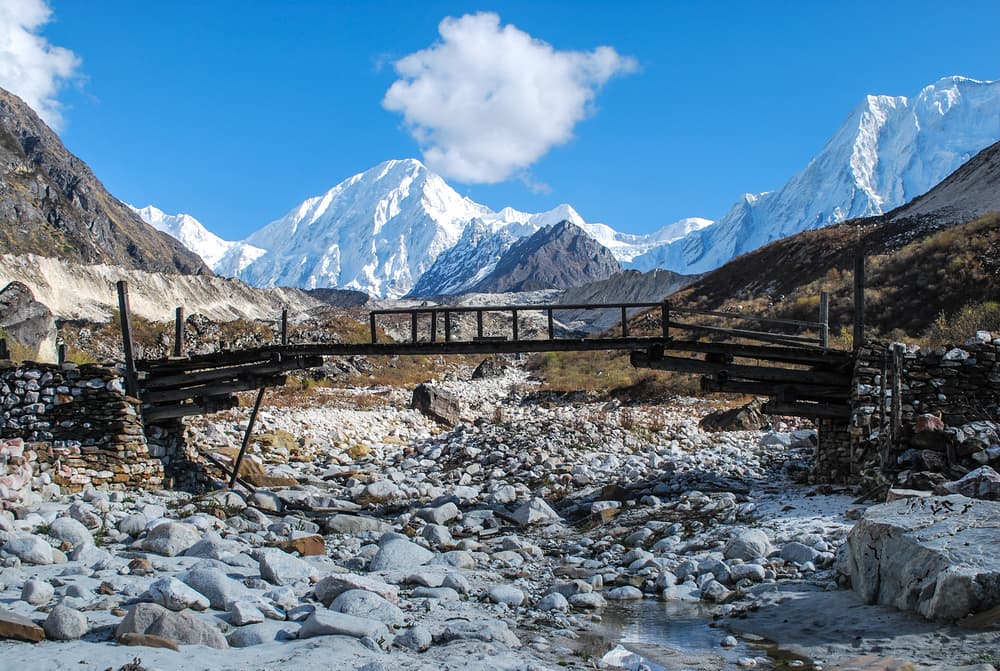
The Manaslu Tsum Valley Trek is a hidden gem in Nepal, offering an extraordinary journey into one of the most remote and culturally rich valleys in the Himalayas. Nestled in the northern part of the Manaslu region, the Tsum Valley is a sacred Himalayan pilgrimage site with strong Tibetan Buddhist influence. Trekking here provides an intimate experience of untouched nature, traditional villages, ancient monasteries, and vibrant local traditions, far from the crowds of more popular trekking routes.

This trek begins similarly to the Manaslu Circuit but diverts at Deng to enter the tranquil Tsum Valley. As you venture deeper into the valley, you are surrounded by dramatic mountain scenery, rhododendron forests, and lush alpine meadows. The region’s isolation has preserved a unique way of life, with local people maintaining centuries-old customs, spiritual practices, and dialects. Visiting Tsum Valley offers a rare chance to observe traditional Buddhist culture through visits to ancient gompas, chortens, and mani walls.

One of the highlights of the trek is the spiritual atmosphere of villages like Chumling, Chhekampar, and Nile, where locals welcome visitors warmly and often share stories of their heritage. The valley also provides incredible views of surrounding peaks such as Ganesh Himal, Himalchuli, and Manaslu. For nature lovers, the Tsum Valley’s biodiversity is impressive, hosting rare animals like the red panda and snow leopard, as well as diverse bird species.

Trekking in Tsum Valley requires moderate fitness and a willingness to embrace simple living conditions, as tea houses here are more rustic compared to those in popular trekking regions. The route includes gradual elevation gain with acclimatization opportunities, making it suitable for trekkers with some prior experience. The best times to visit are during the spring and autumn seasons when the weather is pleasant and the skies are clear.

Day to Day Itinerary
Expand all

Start your adventure with a scenic drive from Kathmandu to Soti Khola along the Budhi Gandaki River. Enjoy views of hills and terraced fields en route. Overnight in Soti Khola.

Begin trekking through lush forests, crossing suspension bridges and following the Budhi Gandaki River upstream. Reach Machha Khola village and stay overnight.

The trail passes through traditional villages and rhododendron forests. Jagat is the official entry point to the Manaslu Conservation Area. Overnight in Jagat.

Continue trekking through beautiful forests, river valleys, and small settlements before arriving at Philim, the gateway to the Tsum Valley. Overnight stay.

Enter the remote Tsum Valley, hiking through forests and crossing the river. Chumling is a traditional Tibetan Buddhist village with ancient monasteries. Overnight in Chumling.

Rest and explore nearby villages such as Chhekampar or Nile. Visit monasteries and immerse yourself in the unique local culture. Overnight in Chumling.

Trek deeper into the valley with beautiful views of surrounding peaks. Chhekampar is a sacred village with several gompas and mani walls. Overnight stay.

A moderate trek through alpine meadows and forests leads to Nile, another important village with strong cultural heritage. Overnight in Nile.

Ascend gradually to the ancient Mu Gompa (Monastery), a spiritual highlight of the valley. Enjoy stunning mountain views and peaceful surroundings. Overnight near Mu Gompa.

Descend out of the valley towards Lokpa village, crossing rivers and lush landscapes. Overnight in Lokpa.

Continue descending to Deng, where the Tsum Valley rejoins the main Manaslu trekking route. Overnight in Deng.

Climb steadily through forests and farmland to reach Namrung, a charming village with monasteries and great mountain views. Overnight stay.

Trek through scenic forests and past yak pastures to Samagaon, the largest village in the Manaslu region, known for its rich Tibetan culture. Overnight stay.

Rest or hike to Manaslu Base Camp or Pungyen Gompa for spectacular views and better acclimatization. Overnight in Samagaon.

Trek to Samdo, a Tibetan-influenced village close to the Tibetan border. Prepare for crossing the Larke La Pass on the next day. Overnight stay.

A short but tough hike through rocky terrain brings you to Dharamsala, also known as Larke Phedi. It’s the last overnight stop before crossing the high pass. Basic accommodation and early sleep for next day’s long journey.

Start before dawn to cross Larke La Pass, the highest point of the trek. The climb is long but gradual, with magnificent views of Manaslu, Himlung, Cheo Himal, and Annapurna II. Descend steeply to the beautiful valley of Bimthang. Overnight stay.

Descend through rhododendron and pine forests with wonderful mountain views. Cross several small villages before arriving at Tilije, a vibrant Gurung village with better facilities. Overnight in a tea house.

Trek for a few hours to reach Dharapani, where the Annapurna Circuit joins. From here, take a jeep or bus ride back to Besisahar. Enjoy the warmth and lower elevation after days in the high mountains.

Take a private vehicle or tourist bus back to Kathmandu. Enjoy the scenic highway and return to the city with memories of a lifetime. Check into your hotel and relax.

You can spend the day resting or exploring more of Kathmandu (Pashupatinath, Boudhanath, Swayambhunath, etc.). Or, depending on your schedule, prepare for your international departure. Transfer to the airport as per flight time.

Our team guides, porters and accompanying staff are locals with a broad knowledge about each and every location that we travel through.

Cost Includes
  • All permits and paperwork:

    • Manaslu Restricted Area Permit (RAP)

    • Manaslu Conservation Area Permit (MCAP)

    • Annapurna Conservation Area Permit (ACAP)

    • Tsum Valley Special Permit

  • Transportation:

    • Private/public transportation from Kathmandu to Soti Khola

    • Jeep/bus from Dharapani or Besisahar to Kathmandu

  • Accommodation:

    • Basic tea house/lodge accommodation during the trek

    • One complimentary night in Kathmandu before/after trek (optional)

  • Meals:

    • Full board meals during the trek (breakfast, lunch, dinner)

    • Tea/coffee with meals

  • Trekking staff:

    • Licensed and experienced English-speaking trekking guide

    • Porter (1 per 2 trekkers)

    • Salary, food, accommodation, and insurance for guide and porter

  • Safety & Support:

    • First aid kit

    • Map of the Manaslu region

    • Assistance in emergency evacuation (insurance required)

  • Taxes & fees:

    • All government and local taxes

    • Service charge

Cost Excludes
  • International airfare to/from Kathmandu

  • Nepal visa fee (payable on arrival at Tribhuvan Airport)

  • Meals in Kathmandu (except where specified)

  • Extra nights in Kathmandu due to early return or delays

  • Bottled drinks, hot showers, Wi-Fi, and charging fees during trek

  • Personal trekking gear (clothing, sleeping bag, trekking poles, etc.)

  • Tips for guide and porter (recommended: ~$5–10/day)

  • Travel insurance (mandatory, must include high altitude emergency rescue)

  • Cost incurred from unforeseen circumstances (natural disaster, strikes, etc.)

  • Helicopter evacuation or personal medical expenses

  • Any additional side trips or activities not mentioned in the itinerary

Departure Dates
  • We have daily departures for this trip from March to May and from mid-September to mid-December. You can type in the number of passengers to book a reservation and select a date that is convenient for you. Due to group size, we never cancel a trip once you’ve made a reservation. If you would rather join the group, we will add more travelers on the selected date. You can let us know once you make a reservation or earlier.
Useful Info

2. Permits Required

This trek enters a Restricted Area, and special permits are required:

  • Manaslu Restricted Area Permit (RAP)

  • Tsum Valley Special Permit

  • Manaslu Conservation Area Permit (MCAP)

  • Annapurna Conservation Area Permit (ACAP)

You must trek with a registered guide and in a group of at least 2 trekkers (excluding guide/porters).


3. Best Time to Trek

The ideal seasons are:

  • Spring (March–May): Clear skies, blooming rhododendrons, and moderate temperatures

  • Autumn (September–November): Stable weather, crystal-clear mountain views, and festivals like Dashain & Tihar

Avoid monsoon (June–August) due to heavy rain, and winter (December–February) as snow may block Larke La Pass.


4. Altitude and Acclimatization

The trek reaches a high point of 5,160 m at Larke La Pass, and includes several days above 3,000 m. Two acclimatization days are planned:

  • At Chumling or Chhekampar in Tsum Valley

  • At Samagaon on the Manaslu Circuit

Common symptoms of altitude sickness include headache, nausea, and dizziness. Ascend slowly, hydrate well, and descend if symptoms worsen. Carry Diamox (if recommended by your doctor).


5. Accommodation & Food

The trek uses local tea houses/lodges which are basic but comfortable. Expect shared twin rooms with common toilets. Hot showers and phone charging are available at extra cost. Meals are mostly dal bhat, noodles, soups, eggs, and Tibetan bread. Vegetarian options are widely available.


6. Trek Difficulty

This trek is moderate to strenuous, suitable for fit trekkers with good endurance. It involves long walking hours (5–8 hours/day), steep ascents, and a high pass crossing. Prior trekking experience is helpful but not mandatory. Daily physical preparation before the trek is recommended.


7. Connectivity & Electricity

Mobile networks (mainly NTC/Ncell) work intermittently in lower regions but no signal in high-altitude or remote villages. Wi-Fi is available in limited tea houses for an extra charge. Electricity is solar-powered in most villages—carry a power bank and spare batteries.


8. Cultural Etiquette

The Tsum Valley and Manaslu region are Tibetan Buddhist communities. Always walk clockwise around stupas and mani walls, remove shoes before entering monasteries, and ask before taking photos of people. Dress modestly and respect local customs and festivals.


9. Wildlife & Nature

This region lies within the Manaslu Conservation Area, rich in biodiversity. You may encounter Himalayan Thar, Blue Sheep, Langurs, Red Pandas, and even Snow Leopards (very rare). Birdwatchers will enjoy spotting Himalayan monals, eagles, and pheasants.


10. Travel Insurance

You must have travel insurance that includes:

  • High-altitude trekking up to 5,500 m

  • Emergency helicopter evacuation

  • Medical treatment and trip cancellation

Carry a printed and digital copy of your insurance policy while trekking.

You May Also LikeSimilar Itineraries